mariasanta mangione: A Detailed Informational Profile of Her Academic Journey, Medical Career, and Scientific Contributions

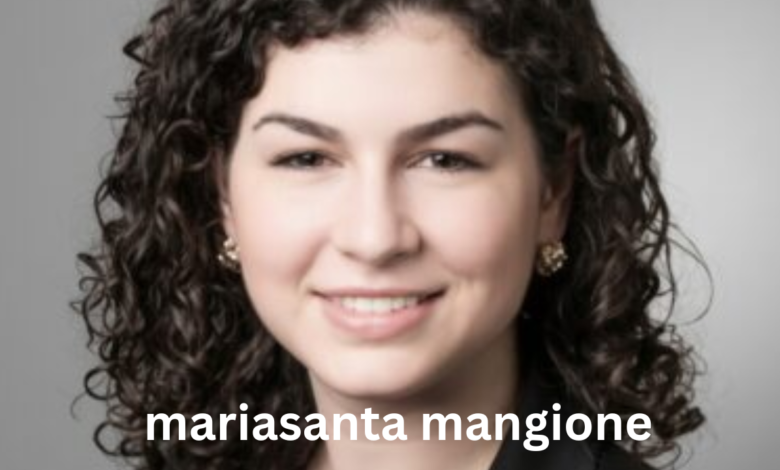
Introduction to mariasanta mangione and Her Growing Recognition
The name mariasanta mangione has gained increasing recognition in academic, medical, and public discussions over the past few years. Known primarily for her work as a physician-scientist, mariasanta mangione represents a modern blend of clinical medicine and advanced biomedical research. Her career reflects dedication to scientific discovery, patient care, and academic excellence. This article presents a comprehensive and structured overview of mariasanta mangione, focusing on her educational background, research interests, professional achievements, and broader relevance in the field of medicine.
As more readers seek reliable and well-organized information about professionals contributing to healthcare innovation, understanding the path and impact of mariasanta mangione offers valuable insight into how rigorous training and research-driven curiosity shape meaningful medical careers.
Early Life and Academic Foundations
The academic path of mariasanta mangione began with a strong foundation rooted in science and learning. From an early stage, she demonstrated an interest in biological sciences, which later evolved into a focused pursuit of medicine and research. Her early education emphasized critical thinking, analytical skills, and a deep appreciation for scientific inquiry.
During her undergraduate years, mariasanta mangione studied cell biology and molecular genetics, a discipline that explores the molecular mechanisms governing life at the cellular level. This academic focus provided her with a strong understanding of how cells function, divide, and respond to internal and external signals. Such knowledge is essential for anyone pursuing advanced research in human disease and therapeutic development.
This early exposure to laboratory work and experimental research helped shape her long-term career goals. Instead of limiting herself to either clinical medicine or pure research, mariasanta mangione chose a path that combined both, allowing her to translate scientific discoveries into real-world medical applications.
Dual Degree Training and Commitment to Research
One of the most defining aspects of mariasanta mangione’s career is her completion of a dual MD and PhD program. This demanding academic route is designed for individuals who aim to become physician-scientists, professionals trained to treat patients while also conducting high-level research.
Throughout her doctoral training, mariasanta mangione focused on cell and developmental biology. Her research explored cytokinesis, the process by which a single cell divides into two distinct cells. Although this process occurs at a microscopic level, its importance is enormous. Errors in cytokinesis can lead to genetic instability, cancer development, and other serious diseases.
By studying the molecular structures and forces involved in cell division, mariasanta mangione contributed to a broader scientific understanding that supports advancements in cancer biology and regenerative medicine. Her work required precision, patience, and a deep understanding of complex biological systems, all of which are hallmarks of strong scientific training.
Research Contributions and Scientific Impact
The research contributions of mariasanta mangione extend beyond her doctoral studies. She has participated in collaborative scientific projects and co-authored peer-reviewed publications addressing key topics in cell biology and clinical medicine. These publications reflect her ability to work across disciplines and connect fundamental science with patient-centered outcomes.
A notable aspect of her research profile is the transition from basic cellular mechanisms to applied medical research. This shift demonstrates how mariasanta mangione uses her foundational knowledge of biology to address real clinical challenges. Her involvement in studies related to cardiovascular health and transplant medicine highlights her adaptability and broad scientific interests.
Researchers like mariasanta mangione play an important role in advancing medical knowledge because they understand disease from both a molecular and clinical perspective. This dual insight helps ensure that research findings are not only scientifically accurate but also relevant to patient care.
Clinical Training and Medical Specialization
After completing extensive academic and research training, mariasanta mangione pursued clinical specialization in cardiology. Cardiology is a complex medical field focused on diagnosing and treating heart-related conditions, many of which remain leading causes of illness worldwide.
As part of her clinical training, mariasanta mangione worked with patients experiencing a wide range of cardiovascular conditions. This hands-on experience allowed her to apply her research background to real medical scenarios, reinforcing the connection between laboratory science and bedside care.
Her clinical work emphasizes careful diagnosis, evidence-based treatment, and continuous learning. For physician-scientists like mariasanta mangione, patient interactions often inspire new research questions, creating a productive cycle between clinical observation and scientific investigation.
Role as a Physician-Scientist in Modern Medicine
The career of mariasanta mangione highlights the growing importance of physician-scientists in modern healthcare systems. These professionals serve as a bridge between research laboratories and clinical settings, ensuring that scientific discoveries are translated into improved treatments and diagnostic tools.
In this role, mariasanta mangione contributes not only through direct patient care but also by participating in research that informs clinical guidelines and medical practices. Her work supports the development of safer therapies, better disease management strategies, and more personalized approaches to healthcare.
Physician-scientists face unique challenges, including balancing research responsibilities with clinical duties. The ability of mariasanta mangione to manage both reflects strong organizational skills, long-term commitment, and a clear sense of purpose within the medical profession.
Public Attention and Professional Privacy
In addition to her academic and medical work, mariasanta mangione has attracted public attention due to circumstances unrelated to her professional achievements. Despite this increased visibility, she has maintained a focus on her career and preserved professional boundaries.
Managing privacy while remaining committed to a demanding medical career requires discipline and resilience. The approach taken by mariasanta mangione demonstrates professionalism and a clear prioritization of her responsibilities as a physician and researcher. This aspect of her story resonates with many professionals who navigate public interest while striving to maintain personal integrity.
Influence on Women in Science and Medicine
The journey of mariasanta mangione also holds significance in discussions about women in science and medicine. Her success within competitive academic and clinical environments reflects broader progress toward gender representation in research-intensive medical careers.
By excelling in both laboratory science and clinical training, mariasanta mangione serves as an example for students considering similar paths. Her career shows that it is possible to pursue advanced scientific inquiry while also delivering compassionate patient care.
Representation matters in academic medicine, and profiles like that of mariasanta mangione help highlight the diverse voices contributing to scientific and medical advancement today.
Ongoing Work and Future Directions
Although much of the public information about mariasanta mangione focuses on her completed training and current professional roles, her career continues to evolve. As medicine advances, physician-scientists remain essential to addressing emerging health challenges, from complex chronic diseases to innovative treatment methods.
The background and expertise of mariasanta mangione position her well to contribute to future research initiatives, clinical trials, and educational efforts. Her ability to integrate scientific rigor with patient-focused care suggests a long-term impact on both research communities and healthcare systems.
Conclusion
The profile of mariasanta mangione reflects dedication, intellectual curiosity, and a strong commitment to improving human health. Through extensive education, rigorous research training, and focused clinical practice, mariasanta mangione exemplifies the role of a modern physician-scientist.
Her work in cell biology, cardiology, and translational research demonstrates how deep scientific understanding can enhance patient care. At the same time, her professional journey highlights the importance of resilience, balance, and integrity in demanding medical careers.
Overall, mariasanta mangione stands as a meaningful example of how knowledge, discipline, and purpose can come together to advance both science and medicine, making her career relevant to students, researchers, healthcare professionals, and readers seeking insight into contemporary medical leadership.