Why is tiger balm illegal: understanding the truth behind regulations, myths, and global restrictions

Introduction
The question why is tiger balm illegal has become increasingly common across search engines, forums, and social media platforms. Many people are surprised to hear claims that a product as familiar and widely used as Tiger Balm could be illegal anywhere in the world. For decades, Tiger Balm has been known as a household remedy for muscle pain, headaches, colds, and joint discomfort. Yet, rumors and confusion continue to circulate about bans, seizures, and restrictions.
This article explores why is tiger balm illegal in some contexts, clears up widespread misunderstandings, and explains how regulations, ingredients, and regional laws shape its legal status. By the end, you will have a clear and balanced understanding of why Tiger Balm is sometimes restricted, why it is often misunderstood, and why it remains legal in most parts of the world.
What Tiger Balm is and why it is so widely used
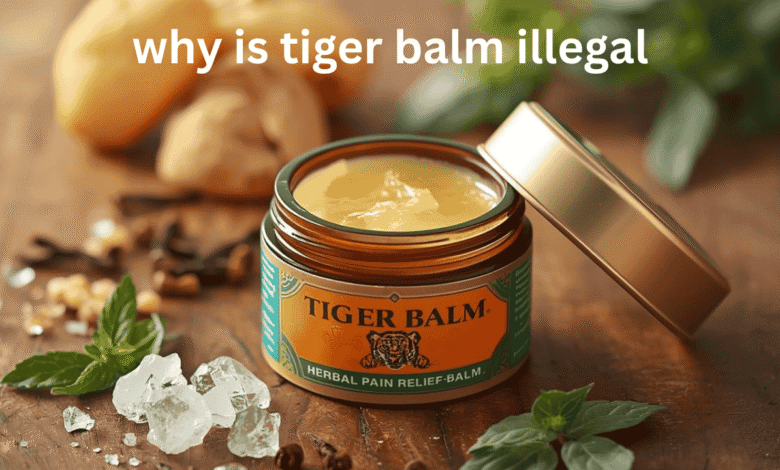
To understand why is tiger balm illegal in certain discussions, it helps to first understand what Tiger Balm actually is. Tiger Balm is a topical ointment developed in the late 19th century and rooted in traditional Asian herbal practices. It is applied externally to relieve muscle aches, joint pain, headaches, congestion, and insect bites.
The product is known for its strong aroma and warming or cooling sensation, depending on the formulation. This sensation comes from natural active ingredients such as camphor, menthol, clove oil, and cajuput oil. These ingredients stimulate blood flow and create a soothing effect on the skin, which many users associate with pain relief.
Because Tiger Balm has been sold for generations and is available over the counter in many countries, people often assume it is universally legal. This assumption plays a big role in why confusion arises around the topic why is tiger balm illegal.
Is Tiger Balm actually illegal anywhere?
A direct and honest answer to why is tiger balm illegal is that Tiger Balm is not globally illegal. In fact, it is legal and widely sold in many regions, including much of Asia, North America, and parts of Europe. However, legality does not work the same way everywhere.
What causes confusion is that some countries restrict certain formulations of Tiger Balm or regulate how it can be sold, imported, or labeled. In some cases, products may be seized at borders or removed from shelves if they do not meet local standards. These actions are often interpreted as bans, even when the product itself is not illegal.
This difference between being illegal and being restricted is at the heart of most misunderstandings related to why is tiger balm illegal.
Ingredient regulations and safety concerns
One of the most important reasons behind discussions about why is tiger balm illegal involves ingredient regulations, particularly camphor. Camphor is a naturally occurring compound derived from trees and is responsible for much of Tiger Balm’s strong smell and warming effect.
While camphor is safe when used correctly in small amounts on the skin, it can be toxic if swallowed or used excessively. Because of this, many health authorities around the world strictly regulate how much camphor can be included in over-the-counter products.
Some traditional or older formulations of Tiger Balm contain higher concentrations of camphor than what is allowed in certain countries. When these versions are imported without modification, they may violate local regulations. This does not mean Tiger Balm as a concept is illegal, but rather that specific formulations do not meet safety standards.
This regulatory difference is a major reason why is tiger balm illegal is searched so frequently online.
Differences in how countries classify Tiger Balm
Another key factor in why is tiger balm illegal in some regions is product classification. Different countries classify Tiger Balm differently, and this classification affects how it is regulated.
In some places, Tiger Balm is treated as a cosmetic or traditional remedy, which involves relatively simple approval processes. In other regions, it may be classified as a medicinal or therapeutic product. Once classified as a medicine, it must meet stricter requirements, including clinical data, ingredient disclosure, and licensing.
If a manufacturer or importer fails to comply with these requirements, the product may be restricted or blocked from sale. This situation often leads consumers to believe the product is illegal, even though the issue is administrative rather than criminal.
Import restrictions and customs enforcement
Import regulations are another major reason behind the perception of why is tiger balm illegal. Even if Tiger Balm is legal for sale within a country, bringing it across borders can be more complicated.
Customs authorities often inspect imported goods for compliance with local health and safety laws. If a shipment of Tiger Balm lacks proper labeling, ingredient documentation, or registration, it may be detained or confiscated. Travelers carrying Tiger Balm in their luggage have also reported having it seized, particularly in countries with strict controls on substances like camphor.
These isolated incidents spread quickly online and contribute to the myth that Tiger Balm is banned. In reality, these cases usually reflect enforcement of import rules rather than a blanket prohibition.
The role of labeling and marketing claims
Marketing claims play a surprisingly large role in discussions about why is tiger balm illegal. In many countries, products are regulated not only based on their ingredients but also on what they claim to do.
If Tiger Balm is marketed with strong medical claims, such as curing diseases or treating serious conditions, regulators may require it to go through formal drug approval processes. If these approvals are not obtained, authorities may restrict the product from being sold under those claims.
In contrast, when Tiger Balm is marketed as a general pain relief ointment or traditional remedy, it often faces fewer hurdles. This difference in marketing language can determine whether a product is allowed on shelves or removed, further fueling confusion.
Counterfeit products and their impact on legality myths
Counterfeit products are another hidden reason why is tiger balm illegal is such a persistent question. The popularity of Tiger Balm has led to a rise in fake versions that imitate the brand but contain unapproved or unsafe ingredients.
When authorities seize counterfeit products, news reports and social media posts sometimes fail to distinguish between fake and authentic items. As a result, people assume that Tiger Balm itself has been banned, when in reality only counterfeit or unsafe versions were targeted.
These counterfeit cases damage consumer trust and make it harder for people to understand the true legal status of the authentic product.
Common myths surrounding Tiger Balm
Several myths continue to circulate and contribute to the question why is tiger balm illegal. One of the most common myths is that Tiger Balm contains ingredients derived from real tigers. This belief has led some people to assume it is banned due to wildlife protection laws.
In truth, modern Tiger Balm does not contain any animal parts. The name and logo are symbolic and rooted in branding history rather than ingredients. Another myth is that Tiger Balm is banned because it is dangerous, when in fact its safety profile is well understood when used as directed.
These myths thrive online because they are rarely challenged with clear explanations.
Regional differences in enforcement and perception
Understanding why is tiger balm illegal also requires looking at regional enforcement styles. Some countries enforce health regulations very strictly, while others take a more flexible approach. In strict regions, even minor paperwork issues can lead to product removal, which appears dramatic to consumers.
In more relaxed regions, the same product might be sold freely without drawing attention. This uneven enforcement creates mixed experiences that feed into global confusion.
Why the question keeps trending online
The reason why is tiger balm illegal continues to trend is a combination of misinformation, personal anecdotes, and regulatory complexity. A single social media post about a confiscated jar can reach thousands of people within hours, while official explanations remain buried in technical documents.
Search engines amplify this effect by highlighting sensational questions rather than nuanced answers. As more people search why is tiger balm illegal, the phrase gains momentum, even when the reality is far less dramatic.
Conclusion
The question why is tiger balm illegal does not have a simple yes or no answer. Tiger Balm is not universally illegal, nor is it secretly banned in most parts of the world. Instead, the confusion stems from ingredient regulations, product classification, import rules, labeling requirements, and the spread of misinformation.
In most cases, restrictions apply only to specific formulations, counterfeit products, or improperly imported goods. Authentic Tiger Balm that meets local regulations remains legal and widely available in many countries. Understanding these nuances helps separate myth from fact and explains why a trusted remedy can sometimes be at the center of legal controversy.
By looking beyond headlines and rumors, it becomes clear that the story behind why is tiger balm illegal is less about danger and more about how different regions manage safety, compliance, and consumer protection.