timewarp taskus: Understanding a Modern Workforce Time and Productivity System

1. Introduction to timewarp taskus
In today’s fast-paced digital workplaces, managing time, productivity, and workforce performance has become more complex than ever. Organizations operating at scale need systems that go beyond simple attendance tracking and provide deeper visibility into daily operations. This is where timewarp taskus comes into focus. Designed as an internal workforce management platform, timewarp taskus helps organizations streamline scheduling, monitor performance, and maintain operational efficiency across teams.
The growing interest in timewarp taskus reflects a broader shift toward data-driven workforce management. Businesses want tools that help them understand how time is spent, where productivity can improve, and how employees can stay engaged without unnecessary friction.
2. What timewarp taskus is and why it exists
timewarp taskus is a centralized system developed to support workforce operations within a large service-based organization. Its core purpose is to bring time tracking, task visibility, and performance insights into a single environment. Instead of relying on multiple disconnected tools, teams can access schedules, attendance records, and productivity indicators from one place.
The platform exists to solve common workplace challenges such as inaccurate time logs, misaligned schedules, delayed approvals, and limited visibility for managers. By organizing these processes into a structured system, timewarp taskus supports smoother daily operations and better decision-making.
Key reasons behind its development include:
- The need for accurate time and attendance records
- The demand for real-time workforce visibility
- The growing scale of remote and hybrid work environments
- The importance of consistent performance tracking
3. Core time and attendance management features
One of the primary functions of timewarp taskus is time and attendance management. Employees use the system to record work hours, breaks, and shift activity. This data becomes the foundation for payroll accuracy, compliance, and performance evaluation.
From a practical standpoint, timewarp taskus helps reduce manual errors that often occur with traditional tracking methods. Employees can clearly see their schedules, while supervisors can review attendance trends and address inconsistencies early.
Common attendance-related capabilities include:
- Shift start and end tracking
- Break and overtime visibility
- Schedule confirmations
- Attendance correction workflows
These features help create transparency for both employees and management, reducing confusion and disputes related to work hours.
4. Workforce scheduling and operational clarity
Scheduling is another area where timewarp taskus plays an important role. Managing schedules across large teams can quickly become complicated, especially when dealing with different time zones, roles, and workloads. The system allows schedules to be organized, updated, and communicated in a structured way.
Employees benefit from knowing exactly when they are expected to work, while managers gain a clearer view of staffing levels. This balance helps prevent under-staffing, burnout, and unnecessary overtime.
With timewarp taskus, scheduling becomes less reactive and more strategic, supporting long-term workforce planning rather than constant last-minute adjustments.
5. Performance monitoring and data visibility
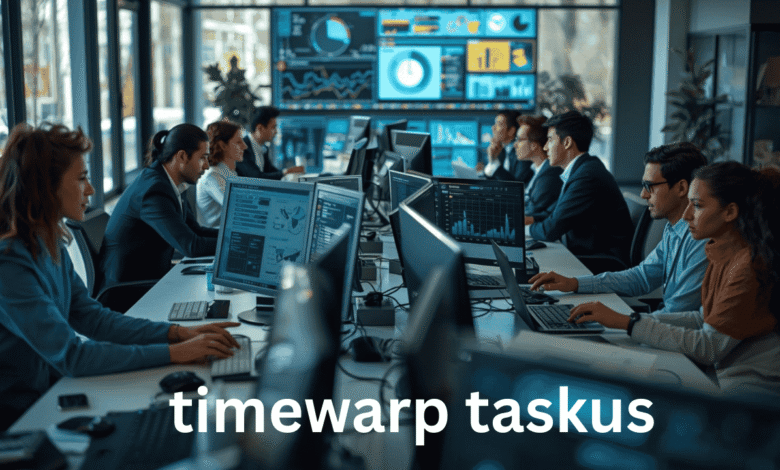
Beyond time tracking, timewarp taskus offers performance visibility that supports informed decision-making. Managers can observe patterns related to productivity, schedule adherence, and operational consistency. This data helps identify where processes are working well and where adjustments may be needed.
Rather than relying on assumptions, teams can use measurable insights to guide improvements. Over time, this leads to better workload distribution and more realistic performance expectations.
Performance monitoring within timewarp taskus supports:
- Trend analysis across teams
- Identification of recurring issues
- Data-supported coaching discussions
- Continuous improvement initiatives
6. Automation and workflow efficiency
Automation is a key element that distinguishes timewarp taskus from basic tracking tools. Repetitive tasks such as approvals, reporting, and routine checks can be handled more efficiently through structured workflows. This reduces administrative workload and allows teams to focus on higher-value activities.
Automation within timewarp taskus supports consistency by applying the same rules and processes across the organization. This helps maintain fairness and reduces delays caused by manual intervention.
Some efficiency-focused benefits include:
- Faster approval cycles
- Reduced manual data entry
- Consistent application of policies
- Improved operational speed
7. Supporting remote and distributed teams
Modern organizations increasingly rely on remote and distributed teams. timewarp taskus is designed to support this reality by providing cloud-based access to schedules, attendance records, and performance data. Team members can interact with the system regardless of location, ensuring continuity and alignment.
For distributed teams, clarity is essential. timewarp taskus helps maintain that clarity by offering a shared source of truth for work hours and expectations. This reduces miscommunication and supports trust between employees and management.
Remote-friendly systems like timewarp taskus are becoming essential as workplaces continue to evolve.
8. Employee experience and engagement factors
While time tracking is often viewed as purely administrative, timewarp taskus also contributes to the employee experience. Transparent systems help employees feel confident that their time is recorded accurately and fairly. Clear schedules and visible expectations reduce stress and uncertainty.
In some implementations, engagement elements are integrated to encourage accountability and motivation. When employees understand how their efforts connect to broader goals, they are more likely to stay engaged.
From an experience perspective, timewarp taskus supports:
- Clear communication of expectations
- Reduced confusion around schedules
- Fair and visible time tracking
- A more structured work environment
9. Business value and organizational impact
From a business standpoint, timewarp taskus delivers value by improving operational control. Accurate data enables better planning, forecasting, and resource allocation. Leaders can make decisions based on real patterns rather than assumptions.
The system also supports compliance by maintaining consistent records that can be reviewed when needed. This is particularly important for organizations operating across regions with different labor requirements.
Overall, timewarp taskus contributes to:
- Improved workforce efficiency
- Stronger operational oversight
- Reduced administrative overhead
- Better alignment between teams and leadership
10. Why timewarp taskus reflects modern workforce needs
The design of timewarp taskus reflects broader trends in how work is managed today. Organizations are moving away from rigid, manual systems and toward flexible platforms that adapt to changing demands. Data visibility, automation, and accessibility are no longer optional features.
By combining time tracking, scheduling, and performance insights, timewarp taskus aligns with the expectations of modern workplaces. It supports both operational discipline and employee clarity, which are essential for sustainable growth.
11. Conclusion
timewarp taskus represents a structured approach to managing time, productivity, and workforce operations in a modern environment. By centralizing attendance tracking, scheduling, performance visibility, and automation, it addresses many of the challenges faced by large and distributed teams.
The value of timewarp taskus lies not only in recording hours but in transforming how organizations understand and manage work. With clearer data, streamlined workflows, and improved transparency, it supports better outcomes for both employees and businesses.
As workforce models continue to evolve, systems like timewarp taskus highlight the importance of thoughtful, data-driven approaches to time and productivity management.