GamificationSummit Ticket Sales Effectiveness: Strategies, Benefits, and Performance Insights

Introduction
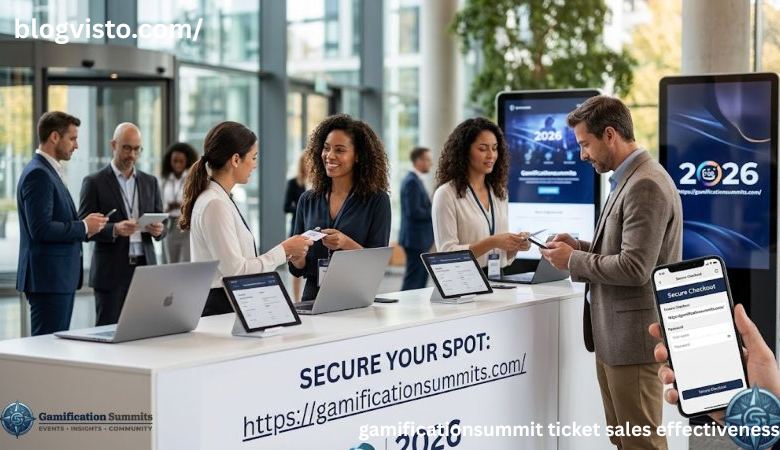
Events and conferences have become increasingly competitive in the digital age. Organizers are constantly searching for innovative ways to attract attendees, increase engagement, and maximize revenue. One concept that has gained significant attention in recent years is gamification. By incorporating game-like mechanics into marketing campaigns, registration processes, and attendee experiences, event organizers can create more engaging interactions that encourage participation.
When discussing event marketing success, the topic of gamificationsummit ticket sales effectiveness often emerges as a valuable area of study. Understanding how gamification influences ticket purchases can help organizers optimize their strategies and achieve better outcomes. From reward systems and leaderboards to referral contests and achievement badges, gamification offers numerous opportunities to enhance attendee motivation.
This article explores the factors that contribute to ticket sales performance, how gamification impacts purchasing behavior, and practical strategies for improving event registration results.
Understanding GamificationSummit Ticket Sales Effectiveness
The concept of gamificationsummit ticket sales effectiveness refers to the ability of gamified strategies to improve ticket sales performance for conferences, summits, and large-scale events. Rather than relying solely on traditional advertising methods, event organizers use interactive elements to encourage audience participation.
Gamification works by appealing to basic human motivations such as:
- Achievement
- Competition
- Recognition
- Rewards
- Social interaction
When integrated into an event’s promotional campaign, these factors can significantly influence decision-making and increase conversion rates.
For example, a summit may reward early registrants with points, exclusive content, or access to premium networking opportunities. Such incentives can motivate potential attendees to purchase tickets sooner rather than later.
Why Ticket Sales Matter for Event Success
Ticket sales serve as one of the most important indicators of event performance. Strong sales figures not only generate revenue but also demonstrate audience interest and market demand.
Successful ticket sales contribute to:
Financial Stability
Revenue generated through registrations helps cover venue costs, speaker fees, marketing expenses, and operational requirements.
Stronger Sponsorship Opportunities
Sponsors often evaluate attendee numbers before committing resources. Higher ticket sales can make an event more attractive to potential partners.
Enhanced Community Building
A larger audience creates more networking opportunities, leading to stronger community engagement before, during, and after the event.
Improved Brand Reputation
Consistently successful events establish credibility and encourage repeat attendance in future years.
These factors highlight why improving gamificationsummit ticket sales effectiveness has become a priority for many organizers.
The Psychology Behind Gamified Ticket Sales
Gamification is effective because it leverages well-established psychological principles.
The Reward System
People naturally respond to incentives. When users know they can earn rewards by completing specific actions, they are more likely to participate.
Examples include:
- Discount codes
- VIP upgrades
- Exclusive sessions
- Merchandise rewards
Fear of Missing Out (FOMO)
Limited-time challenges and countdown timers create urgency. Potential attendees feel motivated to act quickly rather than risk losing valuable opportunities.
Social Recognition
Leaderboards and public recognition encourage users to engage more actively. Individuals often enjoy seeing their achievements acknowledged by peers.
Progress Tracking
Progress bars and milestone indicators provide a visual representation of advancement, making participation feel more rewarding.
These psychological triggers can significantly improve registration rates when implemented effectively.
Key Factors Influencing GamificationSummit Ticket Sales Effectiveness
Several factors determine whether a gamified ticket sales strategy will succeed.
Audience Understanding
Knowing your target audience is essential. Different demographics respond to different forms of motivation.
For example:
- Young professionals may enjoy competitive challenges.
- Corporate attendees may prefer networking rewards.
- Students may respond strongly to discounts and incentives.
User-Friendly Experience
Gamification should enhance the registration process rather than complicate it.
An effective system should:
- Be easy to understand
- Require minimal effort
- Offer clear instructions
- Provide immediate feedback
Meaningful Rewards
Rewards must align with attendee interests. Generic incentives may not generate sufficient engagement.
Examples of valuable rewards include:
- Meet-and-greet opportunities
- Speaker access
- Exclusive workshops
- Premium content downloads
Transparent Rules
Participants should understand how points, rewards, and rankings are earned.
Confusing systems often reduce participation and negatively impact campaign performance.
Popular Gamification Techniques for Event Ticket Sales
Many event organizers use a variety of gamification strategies to encourage registrations.
Referral Competitions
Attendees receive rewards for referring friends or colleagues.
Benefits include:
- Increased organic promotion
- Reduced advertising costs
- Expanded audience reach
Referral programs often become one of the strongest contributors to improved ticket sales.
Achievement Badges
Users earn digital badges for completing actions such as:
- Registering early
- Sharing event content
- Inviting colleagues
- Participating in pre-event activities
Badges provide a sense of accomplishment and encourage continued engagement.
Leaderboards
Leaderboards introduce friendly competition among participants.
Top performers may receive:
- VIP seating
- Free merchandise
- Exclusive networking opportunities
This approach can significantly boost audience interaction.
Challenges and Missions
Event organizers may create tasks that reward participants for completing specific activities.
Examples include:
- Watching promotional videos
- Completing surveys
- Engaging on social media
- Inviting new attendees
These missions increase engagement while promoting the event.
Measuring GamificationSummit Ticket Sales Effectiveness
Accurate measurement is crucial for determining campaign success.
Conversion Rate
This metric measures how many visitors become paying attendees.
Formula:
Conversion Rate = (Ticket Purchases ÷ Website Visitors) × 100
A higher conversion rate often indicates successful gamification implementation.
Referral Performance
Tracking referral-based registrations helps determine whether incentive programs are generating results.
Important metrics include:
- Number of referrals
- Referral conversion rate
- Average ticket value
Engagement Metrics
Useful engagement indicators include:
- Time spent on website
- Social media interactions
- Challenge participation rates
- Content sharing frequency
These metrics reveal how audiences respond to gamified experiences.
Revenue Growth
Ultimately, increased revenue remains one of the strongest indicators of success.
Comparing revenue before and after gamification implementation can provide valuable insights.
The Role of Social Media in Ticket Sales Performance
Social media platforms play a major role in modern event marketing.
Gamified campaigns often perform exceptionally well because users enjoy sharing achievements and rewards with their networks.
Effective social media strategies include:
Contest Campaigns
Participants can earn points by:
- Liking posts
- Sharing content
- Tagging friends
- Creating user-generated content
Interactive Polls
Polls encourage audience involvement while providing valuable feedback.
Milestone Celebrations
Celebrating registration milestones publicly creates excitement and encourages additional participation.
Combining social media marketing with gamification can significantly strengthen gamificationsummit ticket sales effectiveness.
Benefits of Gamified Ticket Sales Campaigns
Event organizers can experience numerous advantages from gamification.
Increased Audience Engagement
Interactive campaigns keep audiences involved throughout the promotional period.
Higher Registration Rates
Rewards and incentives motivate potential attendees to complete purchases.
Improved Brand Awareness
Participants often share their experiences, expanding event visibility.
Enhanced Customer Loyalty
Positive experiences encourage repeat attendance and long-term community growth.
Better Data Collection
Gamified systems generate valuable user behavior data that can inform future marketing decisions.
Common Challenges and Solutions
Despite its advantages, gamification presents several challenges.
Overcomplicated Systems
Complex rules can discourage participation.
Solution: Keep mechanics simple and intuitive.
Low-Value Rewards
Unappealing incentives may fail to motivate users.
Solution: Conduct audience research to identify meaningful rewards.
Technical Issues
Poor platform performance can damage user experience.
Solution: Test systems thoroughly before launch.
Limited Promotion
Even excellent gamification campaigns require strong visibility.
Solution: Combine gamification with email marketing, content marketing, and social media promotion.
Future Trends in GamificationSummit Ticket Sales Effectiveness
The future of event marketing is likely to include even more advanced gamification technologies.
Artificial Intelligence
AI can personalize rewards and challenges based on individual user preferences.
Virtual Reality Experiences
Virtual event previews may become part of future ticket sales campaigns.
Blockchain-Based Rewards
Digital collectibles and tokenized incentives could introduce new forms of attendee engagement.
Advanced Personalization
Customized challenges and rewards can increase participation and conversion rates.
As technology evolves, event organizers will gain access to increasingly sophisticated tools for improving ticket sales performance.
Best Practices for Event Organizers
To maximize results, organizers should follow several proven strategies.
Set Clear Objectives
Define specific goals before launching any gamification initiative.
Understand Attendee Motivations
Research audience interests and preferences.
Offer Valuable Incentives
Ensure rewards provide genuine value to participants.
Monitor Performance Continuously
Track metrics and make adjustments when necessary.
Encourage Social Sharing
Leverage participant networks to expand reach organically.
Optimize Mobile Experiences
Many users engage through smartphones, making mobile optimization essential.
Case Study Approach to Improving Ticket Sales
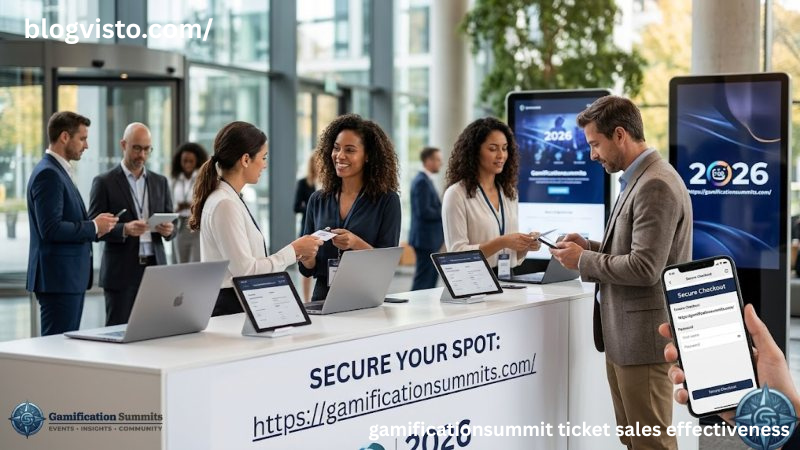
A practical approach to evaluating performance involves:
- Establishing baseline sales data.
- Introducing a gamified campaign.
- Tracking engagement metrics.
- Measuring registration growth.
- Comparing results against previous events.
This structured process helps identify which tactics generate the strongest outcomes.
Organizations that consistently analyze performance data often achieve better long-term results.
Conclusion
The growing interest in gamificationsummit ticket sales effectiveness reflects the increasing importance of engagement-driven marketing strategies in the events industry. Traditional promotional techniques alone may no longer be sufficient to capture audience attention in a crowded marketplace.
By leveraging gamification principles such as rewards, competition, achievement tracking, and social interaction, event organizers can create memorable experiences that motivate attendees to register. When combined with thoughtful planning, audience research, and performance measurement, gamified campaigns can significantly improve ticket sales outcomes.
As technology continues to evolve, gamification is likely to become an even more powerful component of event marketing. Organizations that embrace these innovations while maintaining a user-focused approach will be better positioned to attract attendees, increase revenue, and build thriving event communities for years to come.